Keiki Paddling on Oahu: A Parent’s Guide on What to Pack for Practice
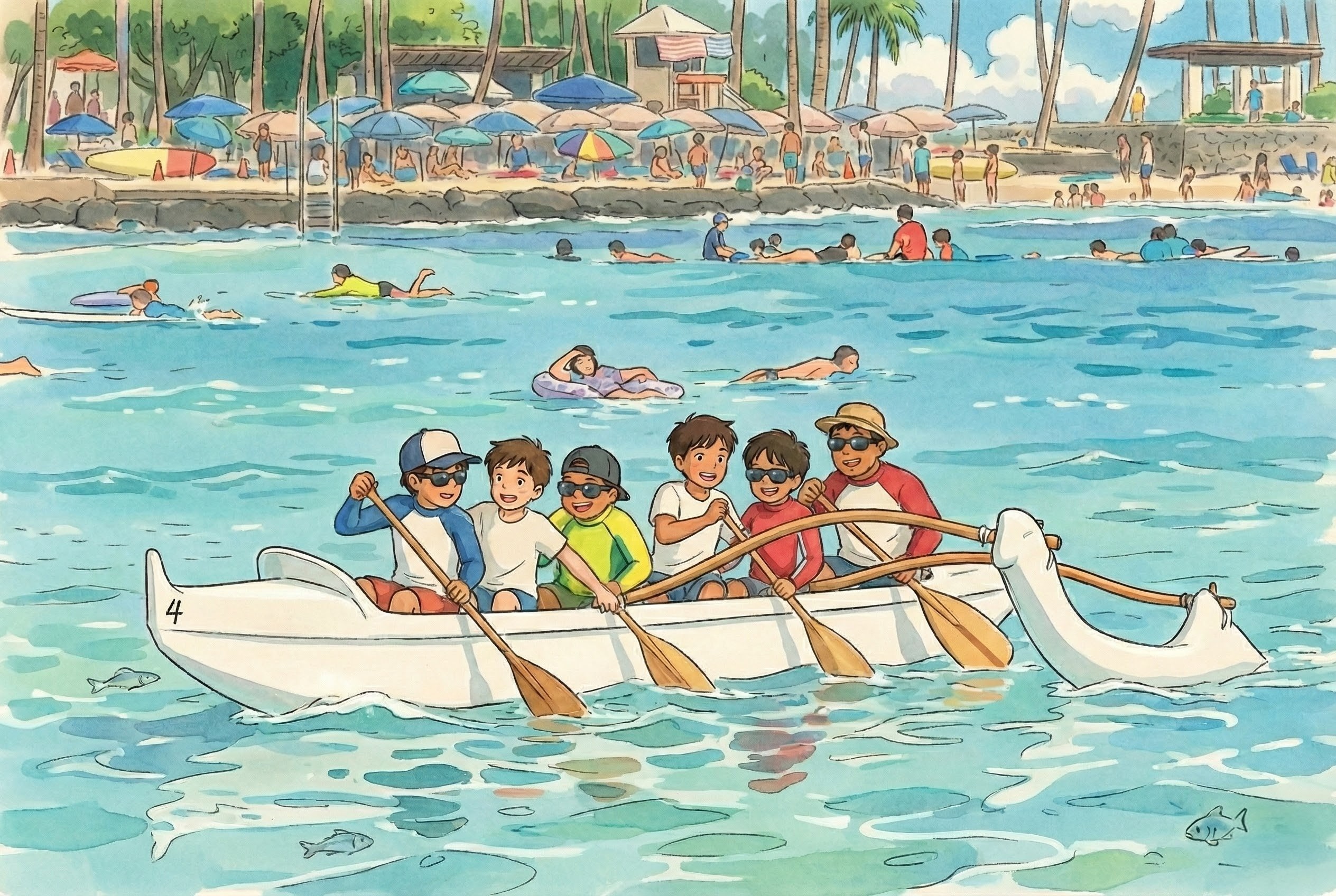
# Launching the Canoe: A Parent’s Survival Guide to Youth Paddling
If you’re reading this, your child is probably about to start their first season of paddling. Whether you’re down at the club in Kailua, watching them launch from the sands of Waikiki, or navigating the trades in Kaneohe Bay—welcome to the ʻohana.
As a parent here in the islands, I know that sending your keiki out into the open ocean brings a mix of pride and "shoreline nerves." Standing there with a towel and squinting into the sun, that first week can feel a little overwhelming. You want them to respect the water, connect with the culture, and—honestly—just have a great time without getting a massive sunburn.
Outrigger paddling is more than just Hawaii’s team sport; it’s a rite of passage. To make sure they love it (and you don't stress), they need the right gear. Here is how to pack their bag like a pro.
---
## 1. Sun Protection: The First Line of Defense
The Hawaiian sun hits differently when you’re on the water. Between the direct rays and the reflection off the ocean, your child is getting a double dose of UV.
* **Reef-Safe Sunscreen:** This is non-negotiable. To protect the reef and your child’s skin, stick to mineral-based, zinc oxide formulas (SPF 30+). Slather it on **15 minutes before** they hit the water so it actually has time to soak in.
* **UPF 50+ Rash Guards:** Sunscreen wears off, but a long-sleeve rash guard doesn't. Plus, it protects their skin from chafing against the side of the canoe.
* **The Right Hat:** A visor or a stiff-brimmed hat is key. **Pro-tip:** Make sure it has a clip or a chin strap, otherwise it’s just a donation to the ocean.
* **Polarized Sunglasses:** The glare off the water can be brutal. If they’re wearing shades, make sure they have a floating strap.
---
## 2. Hydration: Beat the Heat
Here’s the real secret: if your child says they’re thirsty during practice, they’re already dehydrated. In our humidity, keiki lose fluids way faster than they realize.
* **The Volume Rule:** Don't just send a small bottle. Active paddlers need a lot of water. Encourage them to take small sips every 15 minutes.
* **Electrolytes are Key:** When they sweat, they lose more than just water. Throw an electrolyte packet or some chews into their bag. Or, keep it local—**coconut water** is one of the best natural ways to recover.
* **The "Ice Pack" Trick:** Freeze a half-full water bottle the night before and top it off in the morning. It stays ice-cold and acts as a cooling pack for their snacks!
---
## 3. Clothing: Comfort in the Canoe
Your child *will* get wet. Between the splash, a deliberate jump in the ocean to cool off, or the occasional *huli* (flip), they need clothes that don't hold water.
* **The Bottoms:** Avoid board shorts with heavy seams or zippers—they can scratch the canoe and cause a nasty rash on your child’s legs. **Neoprene or compression shorts** are the gold standard. They provide a little cushion on those hard wooden seats.
* **Footwear:** The walk from the halau to the water usually involves hot asphalt or sharp coral. "Slippers" are easy to lose in the sand; opt for water shoes or reef walkers that stay secure.
* **The "Drive Home" Outfit:** Always pack a full change of dry clothes (including underwear). Even on a warm afternoon, a wet, tired kid shivering in the AC on the ride home is a recipe for a meltdown.
---
## 4. The Gear Bag: Organized Chaos
Organization is your sanity. A waterproof dry bag or a breathable mesh tote is your best friend.
* **Microfiber Towel:** Leave the bulky beach towels at home. Microfiber dries them off instantly and takes up zero space in the bag.
* **High-Energy Snacks:** Paddling burns serious calories. Pack things that won’t melt into a mess: granola bars, trail mix, or local fruit.
* **The "Detangler" Kit:** If your child has long hair, salt water plus wind equals a nightmare. Pack a wide-tooth comb and some leave-in conditioner. You’ll thank me during the post-practice shower.
---
## 5. What to Leave at Home
The ocean is unpredictable. If you can’t afford to lose it, don’t bring it. Expensive jewelry, high-end electronics, and favorite toys have no place in a canoe. I’ve seen enough GoPros and "expensive" sunglasses sink to the bottom to know better. Keep it simple.
---
## The Payoff
Paddling season is a commitment—from the summer regattas to the long-distance hauls. But watching your child learn the rhythm of the ocean and the value of **laulima** (teamwork) is worth every sandy car seat.
Pack the bag right so they can focus on the fun. See you at the beach!
---
**Looking for a canoe club in your neighborhood?** Whether you’re looking for a summer program or a year-round team, check out the full directory at [KeikiAthletics.com](https://keikiathletics.com).
*Last Updated: December 2025*