Fueling the Future: How to Keep Oahu’s Young Athletes Healthy and Safe
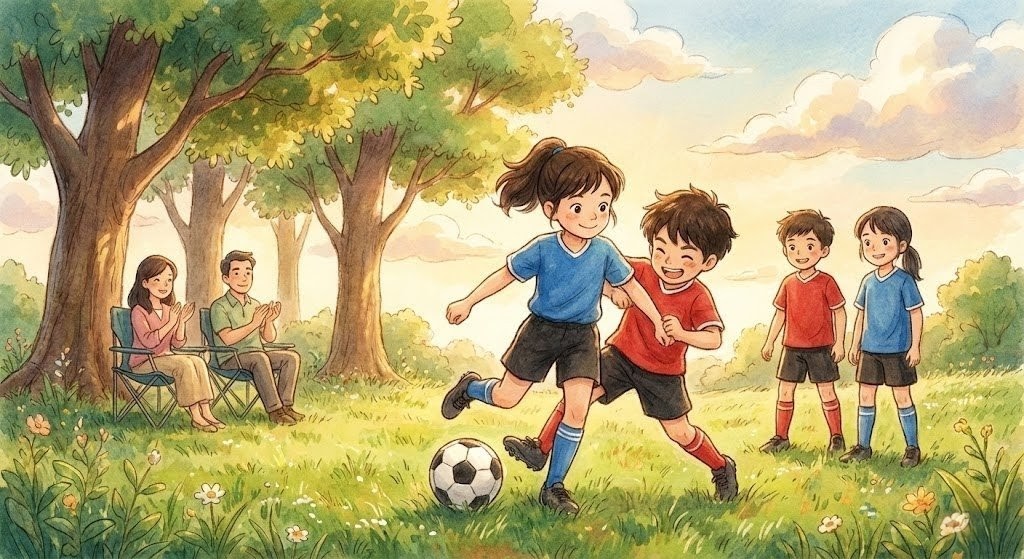
# Beyond the Sidelines: Keeping Oahu’s Young Athletes Strong and Safe
If you’re a sports parent on Oahu, you know the routine. It’s the early morning haul to Waipio Peninsula, the humid weekends at the district park, and the constant hunt for the missing soccer cleat. Our island’s youth sports culture is massive, and it gives our kids a unique chance to build character and find their tribe.
But keeping an athlete "game-ready" involves more than just getting them to the field on time. If we want our kids to actually enjoy the grind without burning out or getting sidelined, we have to look at the work that happens away from the whistle.
It really comes down to two pillars: **how we fuel them** and **how we protect them.**
---
## 1. Nutrition: Fueling the Engine
Think of your child’s body like a high-performance vehicle. You wouldn’t put low-grade gas in a race car and expect it to take the checkered flag. Active kids burn through energy at an incredible rate, and a balanced diet is what keeps their focus sharp when the game is on the line.
* **Real Food Over "Filler":** When you’re rushing from school to practice, it’s tempting to grab a bag of chips. But growing bodies need the real stuff. Aim for lean proteins (chicken, fish, or tofu) and colorful fruits and veggies. These are the actual building blocks for muscle repair.
* **The Humidity Factor:** Dehydration is sneaky in Hawaii. Between the heat and the humidity, kids lose fluids faster than they realize. Don’t wait until they’re thirsty to hand them a bottle. Hydration is an all-day job—if they start the game thirsty, they’re already behind.
* **Avoid the Sugar Crash:** Sports drinks have their place, but relying on liquid sugar for energy usually backfires. The "crash" hits right when they need that fourth-quarter burst. Stick to water for hydration and grab a banana or orange slices for a natural energy kick.
---
## 2. Smart Injury Prevention
Scrapes and bruises are just part of the game, but we want to avoid the chronic, "overuse" issues that can steal an entire season.
* **The Dynamic Warm-Up:** Never let your athlete sprint onto the field cold. A good warm-up shouldn't just be touching your toes; it should involve movement (like high knees or lunges) to get the blood flowing and the joints loose.
* **Form Over Power:** Whether it’s a swing, a pitch, or a tackle, poor technique is the #1 cause of strain. If something looks "off" in their movement, talk to the coach early. Fixing a form issue now saves a lifetime of joint pain later.
* **Don't Skimp on Footwear:** You don’t need the $200 signature sneakers, but you do need shoes with proper support. Good footwear is the first line of defense against ankle rolls and knee stress, especially on the hardcourts.
* **The Power of the Off-Season:** Because sports run year-round in Hawaii, we see a lot of overuse injuries. Muscles only get stronger when they have time to rest and recover. If your child is jumping from one season straight into another, make sure they have genuine downtime scheduled.
---
## The Bottom Line: Give Them a Voice
The most important piece of equipment your child has isn’t a bat or a ball—it’s their voice.
We need to foster a culture where our athletes feel safe saying, "Coach, my knee feels tight," or "Dad, I’m exhausted," without feeling like they’re letting the team down. Pushing through "bad" pain isn't brave; it’s usually how a two-day rest turns into a two-month recovery.
By focusing on the right fuel and respecting their physical limits, we can keep our keiki healthy, happy, and—most importantly—having fun for the long haul.
---
**Want more tips on keeping your athlete at the top of their game?** Check out our directory of local trainers and specialists at [KeikiAthletics.com](https://keikiathletics.com).
*Last Updated: December 2025*