Beyond the Scoreboard: The True Value of Youth Sports for Child Development
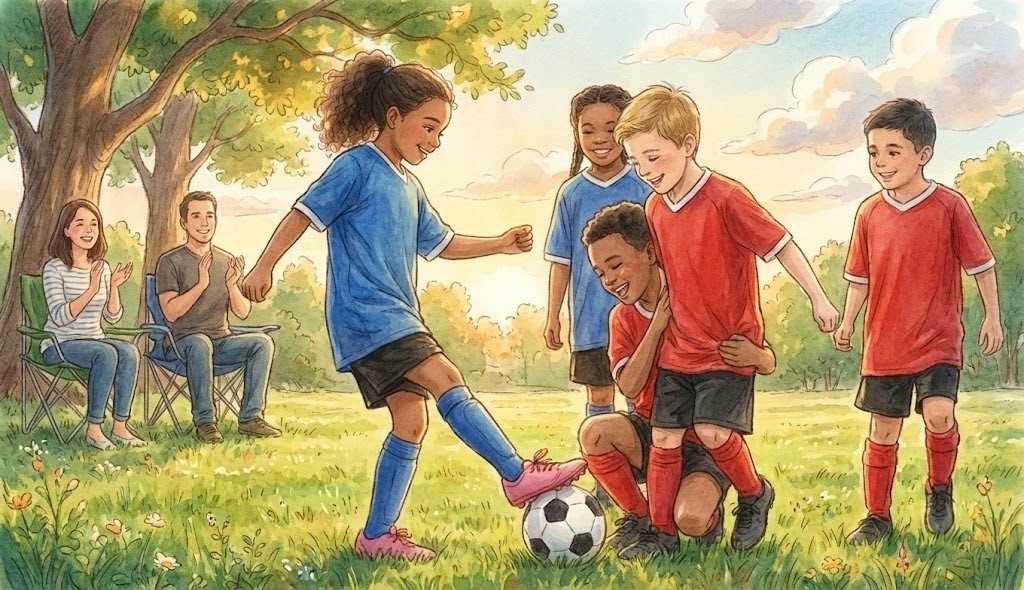
## More Than a Scoreboard: Why We Really Put Our Kids in Sports
If you ask any parent on Oahu about their weekend, you’ll probably hear a familiar story: a chaotic mix of sunrise drop-offs, humid sidelines, and an endless mountain of grass-stained uniforms. It’s a massive commitment of time, money, and caffeine. Yet, year after year, we keep signing them up.
Why do we do it?
Because as much as we love seeing them hit a walk-off or score a goal, we aren’t just paying for the game. We’re paying for the person they become because of it. The real magic of youth sports happens in the character development that a classroom just can’t replicate.
---
## 1. Learning to Lose (and Why That’s a Win)
In a world where we often try to shield our kids from every little disappointment, sports provide a safe place to fail. There’s a scoreboard, a clock, and eventually, a winner and a loser.
Athletes learn early on that they won’t make every shot or win every game. Resilience—or "grit"—is built when a child processes a tough loss, shakes hands with the opponent, and still shows up to practice on Monday ready to work. That ability to bounce back is exactly what’s going to help them navigate a tough college course or a job rejection ten years down the road.
---
## 2. Teamwork Is a Life Skill
We talk a lot about "teamwork," but in sports, it’s a lived experience. Whether they’re on the court or the field, our keiki are learning:
* **Real Communication:** Learning to speak up in high-pressure moments.
* **Conflict Resolution:** Realizing they don’t have to be best friends with everyone on the team to work toward a common goal.
* **Empathy:** Understanding what it feels like to pick up a teammate who just made a mistake, or celebrating someone else’s success like it’s their own.
They’re learning that they are part of something much bigger than themselves.
---
## 3. The "Busy Student" Advantage
One of the biggest worries I hear from parents is that sports will distract from schoolwork. Interestingly, it’s usually the opposite. Student-athletes often have higher GPAs because they *have* to be organized.
When a kid knows they have practice from 4:00 PM to 6:00 PM, the "I'll do it later" excuse for homework disappears. They learn how to manage a schedule and stay disciplined—skills that are worth their weight in gold by the time they hit high school and college.
---
## 4. Building a Lifestyle, Not Just a Season
We all want our kids to be healthy, but sports do more than just burn calories. They teach our kids that moving their bodies is fun, rewarding, and a great way to handle stress.
By framing physical activity as a "play" rather than a "chore," we’re setting them up for a lifetime of well-being. The endorphins from a good practice help with sleep, anxiety, and overall mental health—things our kids need now more than ever.
---
## The Long Game
At the end of the day, the true "win" isn't the trophy gathering dust on a shelf. It’s in raising a child who is disciplined, resilient, and socially capable.
When you sign your child up for a season, you aren't just registering them for a game; you’re giving them a toolkit for life. And that’s worth every early morning and every load of laundry.
---
**Looking for the right program to start your child's journey?** Whether it’s basketball, soccer, or martial arts, we’ve made it easy to find local programs across Oahu.
[Explore the Keiki Athletics Directory →](https://keikiathletics.com)
*Last Updated: December 2025*