The Sideline Check: Are We Supporting Our Keiki or Pressuring Them?
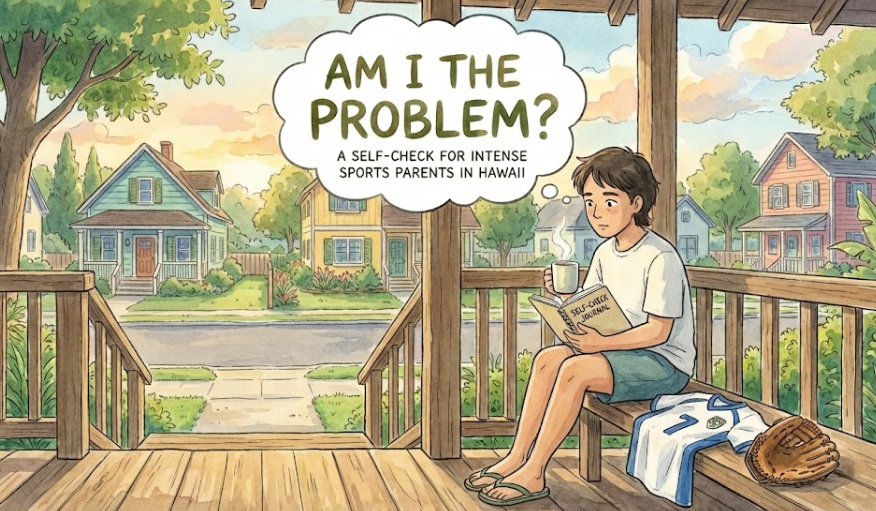
# The Sideline Check: Are We Supporting Our Keiki or Pressuring Them?
Every weekend, from the baseball diamonds at Central Oahu Regional Park (CORP) to the soccer fields at Waipio, we pack our trucks. We load the tents, the coolers, and the folding chairs, ready to cheer on our **keiki**.
We do it because we love them. We want them to learn grit, teamwork, and that "aloha spirit." But in the pressure cooker of Hawaii youth athletics—where everyone knows everyone and the dream of a mainland scholarship looms large—well-meaning support can quietly turn into toxic pressure.
Research in 2026 continues to highlight a heartbreaking trend: **70% of kids quit organized sports by age 13**. The top reason? It just stopped being fun.
If you find yourself more nervous before a game than your child is, or if you’re spending the drive home on the H1 analyzing every mistake, it’s time for a compassionate reality check.
---
## 6 Red Flags: Is Your Intensity Hurting Your Child?
### 1. Your Emotions Outsize Theirs
If a win makes you euphoric and a loss ruins your entire Sunday, you are riding an emotional rollercoaster that your child feels responsible for driving.
* **The Check:** Do you rehash plays while they just want to listen to music? If you care more about the result than they do, you are stealing ownership of their experience.
### 2. You Say "We" Instead of "You"
*"We are training for Manoa,"* or *"We need to work on our speed."*
* **The Check:** Unless you are lacing up cleats and running wind sprints, there is no "we." When you merge your identity with their success, it teaches them that their value is tied to your happiness.
### 3. The "Playing Time" Obsession
In our tight-knit community, it’s easy to feel like a coach (often a volunteer "Uncle" or "Aunty") is slighting your child.
* **The Check:** If your child is under 12 and you are losing sleep over minutes played, you’re projecting adult anxieties onto a child's game. Let them learn to navigate the hierarchy on their own.
### 4. You Are Straining the "Ohana Fund"
Hawaii parents face unique financial pressure. The cost of travel teams, Vegas tournaments, and private coaching is astronomical.
* **The Check:** Are you selling Zippy's chili tickets just to keep up with the Joneses? If the financial sacrifice is creating visible stress in the household, your child feels that burden as guilt every time they step on the field.
### 5. Chasing the "Scholarship Myth"
As of 2026, only about **2% of high school athletes** receive any form of athletic scholarship.
* **The Check:** If they wanted to quit tomorrow, would you be devastated? If the answer is yes, you might be more invested in the "D1 dream" than their actual well-being.
### 6. The "Forgotten Sibling" Syndrome
Does the entire family calendar revolve around one child's tournament schedule?
* **The Check:** If your non-athletic children are constantly being dragged to gyms and fields, it sends a message about who is the priority. Balance is key to a healthy **ohana**.
---
## The Reset: How to Step Back
If you recognized yourself in the list above, don't beat yourself up. It comes from a place of love and a desire to see them succeed. But now is the time to pivot.
### 1. Adopt the "24-Hour Rule"
After a game—especially a tough loss—wait 24 hours before discussing it.
* **Why it works:** It prevents reactive, emotional comments. It allows your child to process the game on their terms. By the next day, the "heat" has cooled, and you can have a real conversation.
### 2. Shift from "Outcome" to "Process"
Stop asking, *"Did you win?"* or *"Did you score?"*
**Start asking:**
* *"Did you have fun today?"*
* *"What was your favorite play?"*
* *"I loved seeing how you cheered for the team from the bench."*
### 3. Be the Parent, Not the Coach
Your child has a coach. They don't need another one in the car. They need a safe place to land.
* **The Goal:** Your child should know that your love for them hasn't changed one bit, whether they hit a home run or struck out three times.
---
## Final Thought for Hawaii Parents
Your 10-year-old won't remember the score of that tournament in Kapolei five years from now. They won't remember the stats.
They **will** remember if the car ride home felt safe. They will remember if you were their biggest fan, or their biggest critic. The goal isn't to raise a pro athlete; it's to raise a resilient, happy human who loves to move. Let’s give the game back to our keiki.
---
**Need a break from the competitive grind?** Explore our directory for local recreational leagues and "fun-first" programs at [KeikiAthletics.com](https://keikiathletics.com).
*Last Updated: April 2026*